
The role of an Integrator in a business setting is pivotal for effective operational management, acting as a vital counterpart to the Visionary. Integrators play crucial roles in bridging gaps within an organization by aligning teams towards common goals and enhancing operational efficiency. This article will delve into the definition and significance of the Integrator role, particularly emphasizing its integration within the Entrepreneurial Operating System (EOS). As organizations increasingly strive for streamlined processes, understanding the Integrator's role is essential for enhancing workplace dynamics. We'll explore the fundamental responsibilities of Integrators, their leadership functions, and how their collaboration with AI agents can revolutionize team effectiveness. Additionally, the role of advanced meeting software will be examined to highlight how technology can support these processes.
What is the Integrator Role in Business and Management?
The Integrator is a critical role in organizational management, defined primarily as the individual who harmonizes different functions and aligns them with the company's overarching vision. This role is essential for translating high-level strategies into actionable plans, ensuring that all team members work towards the same objectives. The Integrator acts as connective tissue between various departments, facilitating communication and eliminating silos that can hinder productivity.
How is the Integrator defined within the Entrepreneurial Operating System?
Within the context of the Entrepreneurial Operating System (EOS), an Integrator is described as the individual responsible for managing day-to-day operations and executing the business plan. They possess a unique blend of leadership and organizational skills that allow them to implement the EOS framework effectively. This framework emphasizes the alignment of vision, accountability, and communication across all organizational levels, thus enhancing overall team performance.
What are the primary Integrator responsibilities and leadership functions?

Integrators hold a variety of key responsibilities critical to the success of their organizations. These include:
- Operational Management: Overseeing the daily operations and ensuring that all departments are synchronized and functioning efficiently.
- Team Alignment: Facilitating cohesive communication among team members to maintain focus and accountability towards achieving goals.
- Performance Monitoring: Implementing systems to track progress against the organizational objectives and adjusting strategies as necessary for continued improvement.
The role requires strong leadership qualities, as Integrators often guide teams through challenging projects and changes.
How Does the Integrator Role Compare with Related Positions?
Understanding the nuances between various leadership roles enhances clarity in organizational structure and function. The Integrator stands out uniquely, particularly when contrasted with the Visionary and Implementer. For instance, a clear understanding of the Entrepreneurial Operating System provides a robust framework for defining these distinct roles.
What are the differences between Integrator and Visionary in organizational leadership?
The Visionary focuses on the broad and long-term vision for the company, generating ideas and innovative paths forward. In contrast, the Integrator is responsible for executing this vision, bringing tangible results by managing the workforce, resources, and processes needed to achieve those innovative ideas. Their effective collaboration can lead to the successful realization of business goals, ensuring that strategic plans translate seamlessly into operational achievements.
How does the Integrator role differ from an Implementer?
While both the Integrator and Implementer play crucial roles in an organization, their functions are distinct. An Implementer is primarily associated with the execution of specific projects or strategies, often focusing on tactical delivery. The Integrator, conversely, has a broader scope, encompassing overall operational management and aligning various projects with the company's strategic vision. This coordinated effort ensures the organization moves forward cohesively rather than in fragmented parts.
What Are the Advantages of Integrating AI Agents as Organizational Integrators?
The incorporation of AI agents into the workplace as integrations to human teams presents numerous advantages, particularly in enhancing operational efficiency. These advancements are often supported by platforms designed for seamless integration.
How does the OTP platform facilitate AI agent integration within team meeting workflows?
OrgTP, LLC provides an OTP platform designed to integrate AI agents as functional team members. This integration supports team workflows by automating routine processes, facilitating communication, and ensuring that critical information is easily accessible during meetings. For instance, AI agents can schedule meetings, manage records, and provide real-time updates, thus freeing human team members to focus on higher-level tasks.
What operational benefits do AI agents provide as full team members in EOS-aligned organizations?
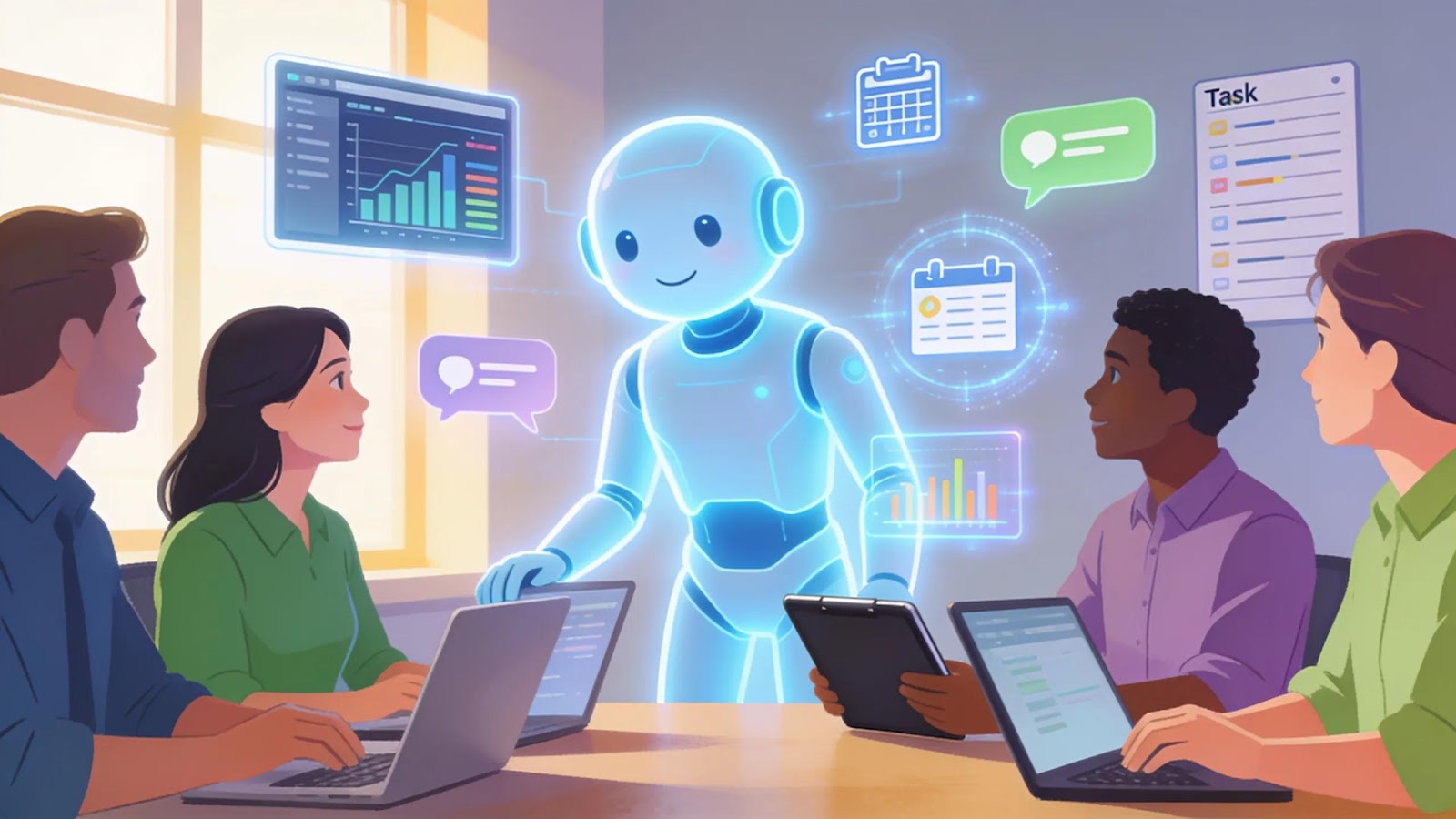
AI agents contribute significantly to operational success in EOS-aligned organizations, offering advantages such as:
- Increased Productivity: Automating routine tasks allows human employees to concentrate on more complex responsibilities.
- Improved Accountability: AI systems can monitor tasks and performance metrics, thus enhancing transparency and accountability across teams.
- Enhanced Decision-Making Processes: The analytical capabilities of AI tools help leaders make informed decisions based on real-time data and predictive modeling.
By integrating AI agents effectively, organizations can achieve remarkable improvements in team collaboration and operational outcomes. This also involves implementing effective meeting software.
How Does Meeting Software Enhance the Integrator's Role in Team Coordination?
Meeting software plays a critical role in supporting Integrators by facilitating team coordination and enhancing alignment. Advanced solutions offer features that streamline communication and task management.
What features of meeting software improve organizational alignment and execution?
Effective meeting software encompasses features such as agenda setting, real-time collaboration tools, and follow-up tracking. These functionalities allow team members to remain informed and engaged, ensuring that meetings are productive and outcomes are clearly defined and executed. Integrators rely on such tools to maintain momentum and alignment across various initiatives.
How do AI-enhanced meeting tools contribute to hybrid and remote team efficiency?
In today's increasingly hybrid work environments, AI-enhanced meeting tools can significantly boost effectiveness. These tools often incorporate functionalities such as automated transcription and action item tracking, thereby ensuring that all participants remain accountable irrespective of their physical location. This is essential for maintaining high productivity levels and team cohesion, especially in remote settings.
What Are Practical Steps and Best Practices for Adopting the Integrator Role in Your Organization?
Adopting the Integrator role within your organization requires a systematic approach that incorporates best practices based on the EOS framework. This systemic adoption often involves leveraging the right technological tools and methodologies.
How to define and appoint the Integrator role according to EOS principles?
To efficiently identify and appoint an Integrator, organizations should clarify the characteristics vital for this role. Designating an individual with proven leadership abilities, excellent communication skills, and a strong grasp of operational management principles is crucial. Utilizing EOS principles can help streamline this process and ensure the right fit for the position.
What are the recommended steps to integrate AI agents and meeting software for enhanced team performance?
When integrating AI agents and meeting software, businesses should consider the following steps:
- Assess Needs: Evaluate the specific challenges and needs of the teams.
- Choose Appropriate Tools: Select AI and meeting software that directly addresses the identified needs.
- Train Teams: Ensure that all members understand how to utilize these tools effectively to maximize their benefits.
- Monitor and Adjust: Continuously assess the integration process and be willing to make adjustments based on feedback and performance metrics.
By following these steps, organizations can foster a more collaborative and efficient work environment.
What Common Questions Do Executives Ask About the Integrator Role?
Understanding common inquiries around the Integrator position can clarify its importance in organizational dynamics. Executives often seek to understand the practical implications and benefits derived from this role.
What does an Integrator do in business leadership?
An Integrator typically oversees operations, ensuring all departments work harmoniously towards the company's objectives. Their role includes managing resources, coordinating teams, and maintaining accountability to facilitate strategy execution effectively. Through their leadership, Integrators directly impact team performance and organizational success.
How does the Integrator drive organizational accountability and operational efficiency?
Integrators enhance accountability by implementing systems that monitor performance against set goals. They facilitate communication among team members and ensure that everyone is aligned with the organizational direction. As a result, Integrators promote a culture of accountability where employees understand their roles and responsibilities, leading to improved operational efficiency.
Give Your Integrator a Force Multiplier
Put your org chart, scorecard, and weekly meeting in one place, with AI agents working as full team members so your Integrator can focus on alignment instead of admin. Free to start.
EOS®, Entrepreneurial Operating System®, Integrator™, and Visionary™ are trademarks of EOS Worldwide, Inc. OTP is not affiliated with, endorsed by, or sponsored by EOS Worldwide. References are for descriptive and educational purposes only.